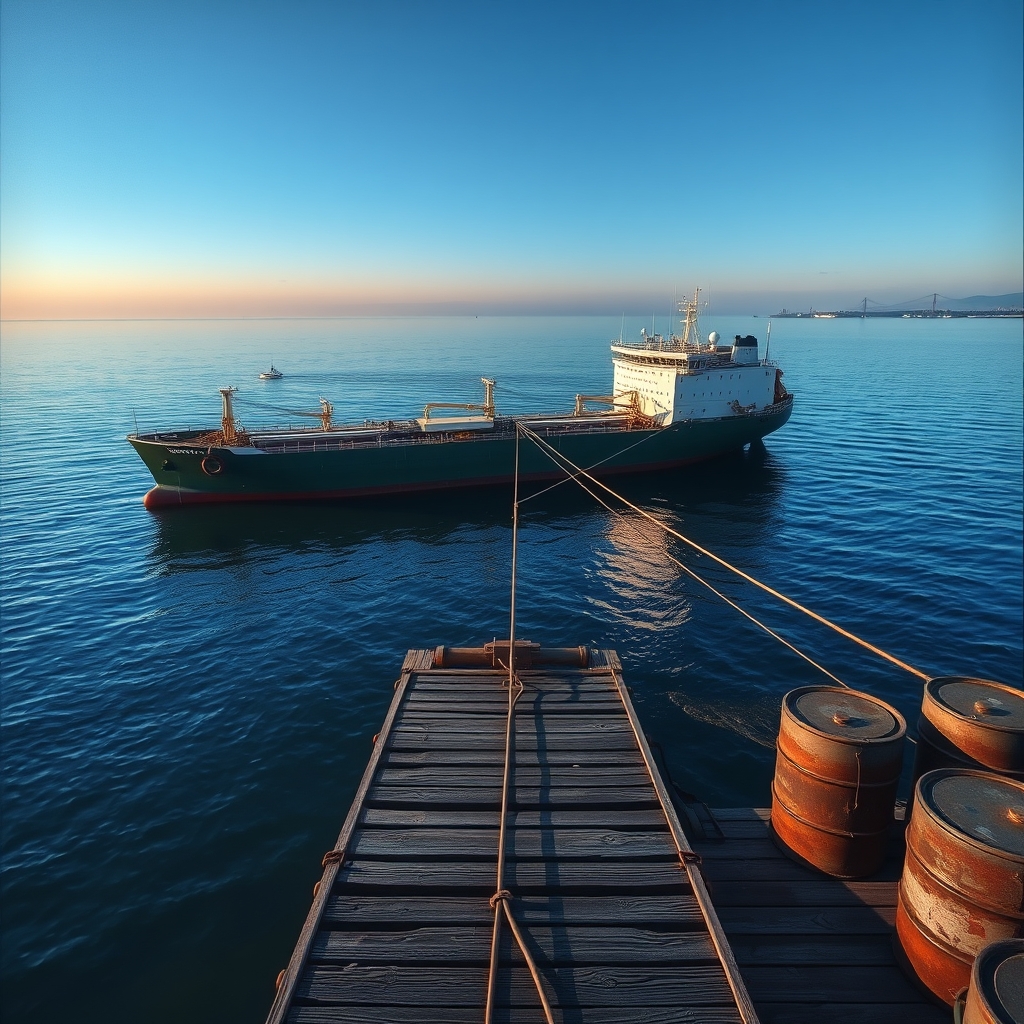
In the maritime industry, the ability to track chemical tankers in real-time is crucial for ensuring safety, efficiency, and compliance with environmental regulations. With the increasing complexity of global shipping operations, developers and businesses need access to reliable maritime data to optimize their logistics, monitor fleet performance, and adhere to regulatory requirements. This is where Vessels API comes into play, offering a comprehensive suite of endpoints designed specifically for maritime data retrieval.
Why Choose Vessels API for Chemical Tanker Tracking?
Vessels API provides developers with a powerful REST API that encompasses 17 endpoints, covering everything from vessel search and live tracking to fleet operations and port intelligence. Here are some compelling reasons to consider Vessels API:
- Comprehensive coverage of maritime data with 17 REST endpoints.
- Global AIS coverage with near real-time refresh rates.
- Consistent JSON envelope on every response, simplifying integration.
- One API key for all endpoints, eliminating the complexity of OAuth.
- 7-day free trial available for all plans, allowing users to test the API before committing.
Key Features of Vessels API for Chemical Tanker Tracking
Vessels API offers a variety of endpoints that are particularly relevant for tracking chemical tankers. Below, we will explore the most pertinent endpoints, their features, and how they can be utilized effectively.
1. Vessel Search
The GET /vessels/search endpoint allows users to find any vessel by name, IMO, or MMSI. This is particularly useful for logistics teams needing to quickly identify specific chemical tankers in their fleet.
Example Request:
curl -H "X-API-Key: YOUR_API_KEY" "https://vessels-api.com/api/V1/vessels/search?query=chemical_tanker&flag=Panama"Example Response:
{
"status": 200,
"success": true,
"message": "Search results",
"data": {
"vessels": [
{
"imo": "1234567",
"mmsi": "123456789",
"name": "Chemical Voyager",
"flag": "Panama",
"vessel_type": "Chemical Tanker",
"gross_tonnage": 30000,
"deadweight_tonnage": 50000,
"year_built": 2010,
"length_m": 200,
"width_m": 32
}
],
"pagination": {
"current_page": 1,
"per_page": 1,
"total": 1,
"last_page": 1
}
}
}
Key Fields Explained:
- imo: The International Maritime Organization number, a unique identifier for the vessel.
- mmsi: The Maritime Mobile Service Identity number, used for radio communication.
- name: The name of the vessel.
- flag: The country under which the vessel is registered.
- vessel_type: The type of vessel, in this case, a chemical tanker.
- gross_tonnage: The total internal volume of the vessel.
- deadweight_tonnage: The maximum weight the vessel can safely carry.
- year_built: The year the vessel was constructed.
- length_m: The length of the vessel in meters.
- width_m: The width of the vessel in meters.
2. Live Vessel Tracking
The GET /vessels/track endpoint provides real-time position data for a specific vessel, including its current location, speed, course, and navigational status. This is essential for fleet managers who need to monitor the movements of chemical tankers.
Example Request:
curl -H "X-API-Key: YOUR_API_KEY" "https://vessels-api.com/api/V1/vessels/track?imo=1234567&hours=48"Example Response:
{
"status": 200,
"success": true,
"message": "Tracking data",
"data": {
"vessel": {
"imo": "1234567",
"mmsi": "123456789",
"name": "Chemical Voyager"
},
"current_position": {
"latitude": 34.0522,
"longitude": -118.2437,
"speed_knots": 12,
"course_degrees": 90,
"heading_degrees": 90,
"navigational_status": "Under way using engine",
"timestamp_utc": "2023-10-13T10:36:00Z",
"destination": "Los Angeles",
"eta": "2023-10-15T12:00:00Z"
},
"position_history": [
{
"timestamp": "2023-10-12T10:36:00Z",
"latitude": 34.0522,
"longitude": -118.2437
}
],
"route": {
"departure_port": "Houston",
"departure_time": "2023-10-10T12:00:00Z",
"destination_port": "Los Angeles",
"eta": "2023-10-15T12:00:00Z",
"distance_nm": 300,
"avg_speed_knots": 12
}
}
}
Key Fields Explained:
- current_position: Contains real-time data about the vessel's location, speed, and navigational status.
- latitude/longitude: The vessel's current geographic coordinates.
- speed_knots: The current speed of the vessel in knots.
- course_degrees: The direction in which the vessel is moving.
- navigational_status: Indicates whether the vessel is underway, moored, or at anchor.
- destination: The intended port of call.
- eta: Estimated time of arrival at the destination.
3. Nearby Vessels
The GET /vessels/nearby endpoint allows users to find all vessels within a specified radius of a given latitude and longitude. This is particularly useful for port operators and logistics teams who need to monitor traffic in specific areas.
Example Request:
curl -H "X-API-Key: YOUR_API_KEY" "https://vessels-api.com/api/V1/vessels/nearby?latitude=34.0522&longitude=-118.2437&radius=30"Example Response:
{
"status": 200,
"success": true,
"message": "Nearby vessels",
"data": {
"center": {
"latitude": 34.0522,
"longitude": -118.2437
},
"radius_nm": 30,
"total": 5,
"vessels": [
{
"imo": "1234567",
"mmsi": "123456789",
"name": "Chemical Voyager",
"ship_type": "Chemical Tanker",
"position": {
"latitude": 34.0522,
"longitude": -118.2437,
"timestamp_utc": "2023-10-13T10:36:00Z"
},
"distance_nm": 0,
"speed_knots": 12,
"course_degrees": 90,
"navigational_status": "Under way using engine"
}
]
}
}
Key Fields Explained:
- center: The geographic center point from which nearby vessels are being queried.
- radius_nm: The radius in nautical miles within which vessels are being searched.
- total: The total number of vessels found within the specified radius.
- vessels: An array containing details about each nearby vessel, including its position and navigational status.
4. Vessel Analytics
The GET /vessels/analytics endpoint provides aggregated voyage statistics for a specific vessel, port, or fleet. This is invaluable for fleet managers looking to analyze performance metrics over time.
Example Request:
curl -H "X-API-Key: YOUR_API_KEY" "https://vessels-api.com/api/V1/vessels/analytics?type=vessel&mmsi=123456789&period=30d"Example Response:
{
"status": 200,
"success": true,
"message": "Analytics data",
"data": {
"type": "vessel",
"mmsi": "123456789",
"imo": "1234567",
"name": "Chemical Voyager",
"period": "30d",
"statistics": {
"total_distance_nm": 1500,
"avg_speed_knots": 10,
"max_speed_knots": 15,
"port_calls_count": 5,
"total_time_in_port_hours": 120,
"ports_visited": ["Houston", "Los Angeles", "San Francisco"]
}
}
}
Key Fields Explained:
- total_distance_nm: The total distance traveled by the vessel in nautical miles over the specified period.
- avg_speed_knots: The average speed of the vessel during the period.
- max_speed_knots: The maximum speed recorded during the period.
- port_calls_count: The number of times the vessel called at ports during the period.
- total_time_in_port_hours: The total time spent in port during the period.
- ports_visited: An array of ports that the vessel visited during the specified period.
5. Fleet Operations
The POST /vessels/fleet endpoint allows users to retrieve batch positions, routes, and statistics for multiple vessels in one request. This is particularly useful for fleet managers overseeing several chemical tankers.
Example Request:
curl -X POST -H "X-API-Key: YOUR_API_KEY" -H "Content-Type: application/json" -d '{"vessels":[{"imo":"1234567"},{"mmsi":"123456789"}],"include_positions":true,"include_routes":true}' "https://vessels-api.com/api/V1/vessels/fleet"Example Response:
{
"status": 200,
"success": true,
"message": "Fleet data",
"data": {
"fleet": {
"total_vessels": 2,
"vessels_at_sea": 1,
"vessels_in_port": 1
},
"vessels": [
{
"imo": "1234567",
"mmsi": "123456789",
"name": "Chemical Voyager",
"position": {
"latitude": 34.0522,
"longitude": -118.2437
},
"route": {
"departure_port": "Houston",
"destination_port": "Los Angeles"
}
}
]
}
}
Key Fields Explained:
- total_vessels: The total number of vessels in the fleet.
- vessels_at_sea: The number of vessels currently at sea.
- vessels_in_port: The number of vessels currently in port.
- vessels: An array containing details about each vessel in the fleet, including its position and route.
6. IMO CII Emissions Scoring
The GET /vessels/green endpoint provides IMO CII emissions scoring for ESG reporting and regulatory compliance. This is essential for companies looking to monitor their environmental impact.
Example Request:
curl -H "X-API-Key: YOUR_API_KEY" "https://vessels-api.com/api/V1/vessels/green?mmsi=123456789&period=30d"Example Response:
{
"status": 200,
"success": true,
"message": "CII emissions data",
"data": {
"imo": "1234567",
"mmsi": "123456789",
"name": "Chemical Voyager",
"period": "30d",
"distance_nm": 1500,
"estimated_emissions": {
"co2_tons": 100,
"co2_per_nm": 0.067
},
"cii": {
"score": "B",
"rating": "Good",
"year": 2023,
"regulation_reference": "IMO MEPC.339(76)"
}
}
}
Key Fields Explained:
- estimated_emissions: Contains estimated CO2 emissions data for the vessel.
- cii: Contains the CII score and rating, which are critical for compliance with environmental regulations.
Conclusion
In an era where maritime operations are becoming increasingly complex, having access to reliable and comprehensive maritime data is essential for success. The Vessels API provides developers and businesses with the tools they need to track chemical tankers effectively, optimize fleet operations, and ensure compliance with environmental regulations. With a robust set of endpoints and real-time data capabilities, Vessels API stands out as the go-to solution for maritime data needs.
Ready to enhance your maritime operations? Try Vessels API for free and unlock the potential of real-time maritime data today!